

Why Human Judgment Still Matters in the AI Era
AI can now write articles, summarize information, generate images, answer questions, organize notes, and automate many digital tasks within seconds.
That speed is impressive.
But speed is not the same thing as wisdom.
One of the biggest misunderstandings people have about AI is assuming that more information automatically means better judgment. In reality, human judgment still matters deeply because life is filled with nuance, emotion, context, priorities, and situations that cannot always be solved through patterns alone.
AI can assist thinking.
It should not completely replace it.
AI Is Good at Patterns, but Humans Understand Context
AI works by analyzing enormous amounts of information and predicting likely responses.
That makes it excellent for:
- organizing ideas
- summarizing content
- speeding up repetitive tasks
- generating first drafts
- finding patterns quickly
But real life decisions often involve things AI cannot fully understand.
For example:
- emotions
- relationships
- timing
- intuition
- personal values
- ethical judgment
- human sensitivity
A technically correct answer is not always the right answer in real life.
That is where human judgment becomes important.
AI Can Sound Confident Even When It Is Wrong
One thing many people notice after using AI regularly is that it often sounds extremely confident.
Even when the information is incomplete or inaccurate, the wording may still appear polished and convincing.
That can be dangerous if people stop thinking critically.
AI sometimes:
- misunderstands context
- oversimplifies problems
- misses emotional nuance
- produces inaccurate information
- gives advice that sounds logical but lacks real-world practicality
This is why blindly trusting every AI response is risky.
Human judgment acts like a filter.
It helps people pause and ask:
- Does this actually make sense?
- Is this realistic?
- Would this work in my situation?
- Does this feel ethical and balanced?
Those questions matter more than ever now.
Technology Has Always Needed Human Guidance
Throughout history, powerful tools have always depended on human judgment.
The internet itself became incredibly useful because humans learned:
- how to evaluate information
- how to verify sources
- how to use technology responsibly
- how to separate useful ideas from noise
AI is no different.
The technology itself is not automatically wise or harmful.
A lot depends on how humans choose to use it.
That is why thoughtful use matters more than blind dependence.
Human Skills May Become More Valuable, Not Less
Ironically, as AI becomes more common, certain human skills may actually become more important.
Things like:
- clear thinking
- communication
- creativity
- emotional intelligence
- decision-making
- leadership
- common sense
These are difficult to fully automate because they depend heavily on human experience and context.
People often assume the future belongs only to those who master technology.
But the future may actually favor people who know how to combine technology with strong human judgment.
AI Should Support Thinking, Not Replace It
One of the healthiest ways to approach AI is to treat it like a helpful assistant rather than an authority figure.
Use it to:
- save time
- organize ideas
- reduce repetitive work
- explore possibilities
- improve clarity
But still stay mentally involved.
The goal should not be:
“Let AI decide everything for me.”
The healthier goal is:
“Let AI help me think more clearly and work more efficiently.”
That difference matters a lot.
People Still Trust Human Perspective
Even in an AI-heavy world, people still connect strongly with:
- real experiences
- honest opinions
- human stories
- thoughtful conversation
- genuine understanding
AI can imitate tone remarkably well.
But people still value signs that a real human mind is behind the communication.
That is especially important in:
- leadership
- education
- relationships
- business
- creative work
Trust still depends heavily on human connection and judgment.
The Goal Is Balance, Not Fear
Some people fear AI too much.
Others trust it too blindly.
Neither extreme is healthy.
AI is a powerful tool.
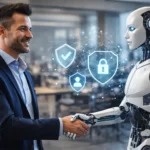
But like most powerful tools, it works best when paired with thoughtful human oversight.
The healthiest long-term approach is balance:
- stay curious
- learn gradually
- use AI practically
- keep your own thinking active
- avoid blind dependence
That balance will probably matter more and more in the years ahead.
Conclusion
Human judgment still matters in the AI era because technology alone cannot fully understand context, emotion, ethics, priorities, or real-world complexity.
AI can help people move faster and process information more efficiently, but human thinking is still what gives decisions wisdom, balance, and meaning.
The future is probably not about humans competing against AI.
It is about learning how to combine powerful technology with thoughtful human judgment in a healthier and more balanced way.










0 Comments